

See the smallest details, don’t miss pathology
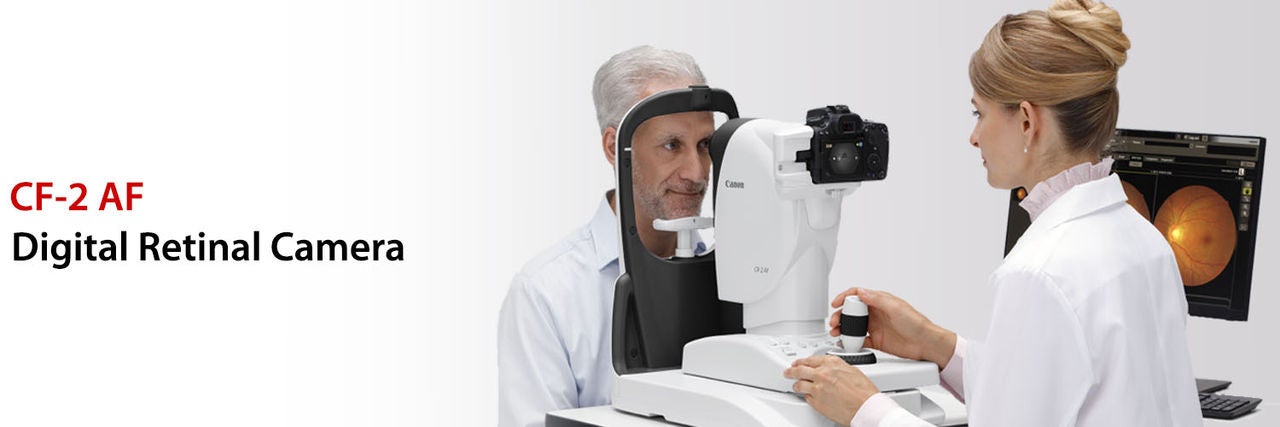
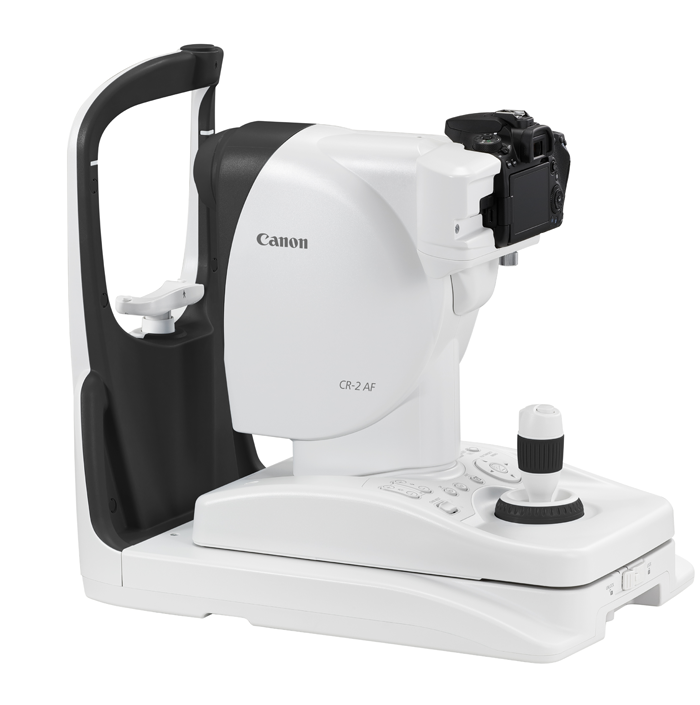
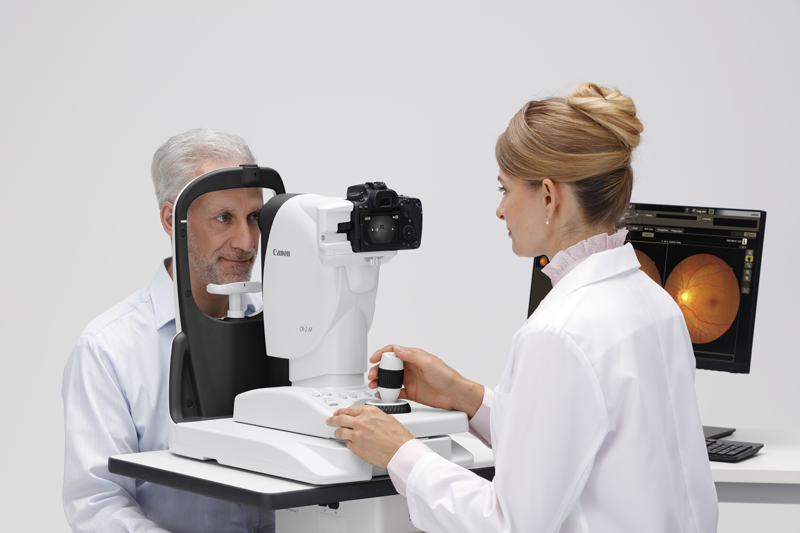
Canon was the very first company to introduce a Non-Mydriatic Retinal Camera as far back as 1976. Built on this legacy, the CR-2 AF is equipped with superb Canon optics and Canon’s own EOS digital camera technology. The technology includes Canon's renowned image processing capabilities, which has been adapted exclusively for Canon retinal cameras in order to offer optimal retinal imaging for the highest image quality.
In addition, Canon's unique Opacity Suppression largely suppresses the effects of cataracts and other ocular opacities.
45 degrees
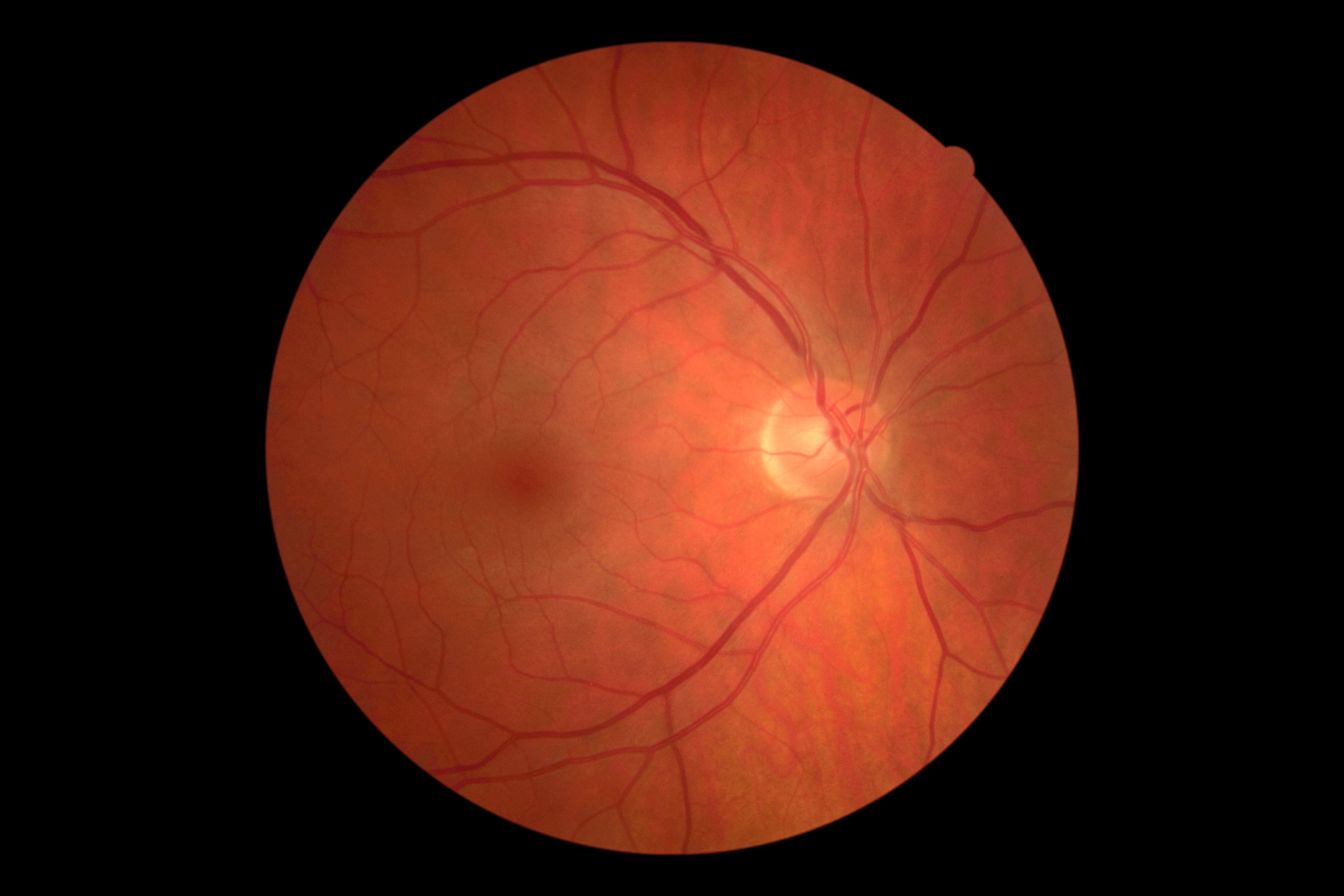
CR-2 AF provides Non-Mydriatic images at a 45 degrees angle (67.5 degrees when using the center of an eye ball as reference).
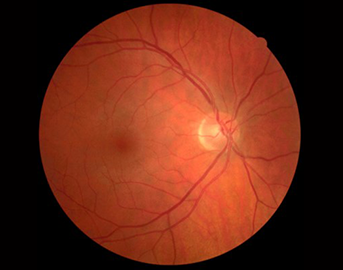
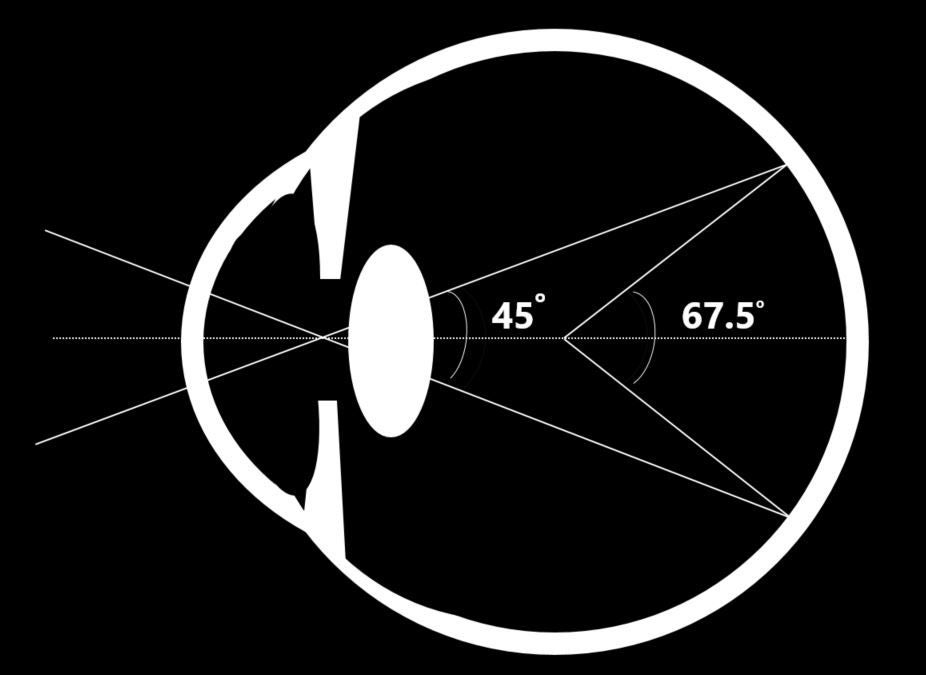 Angle of incidence vs central angle of view
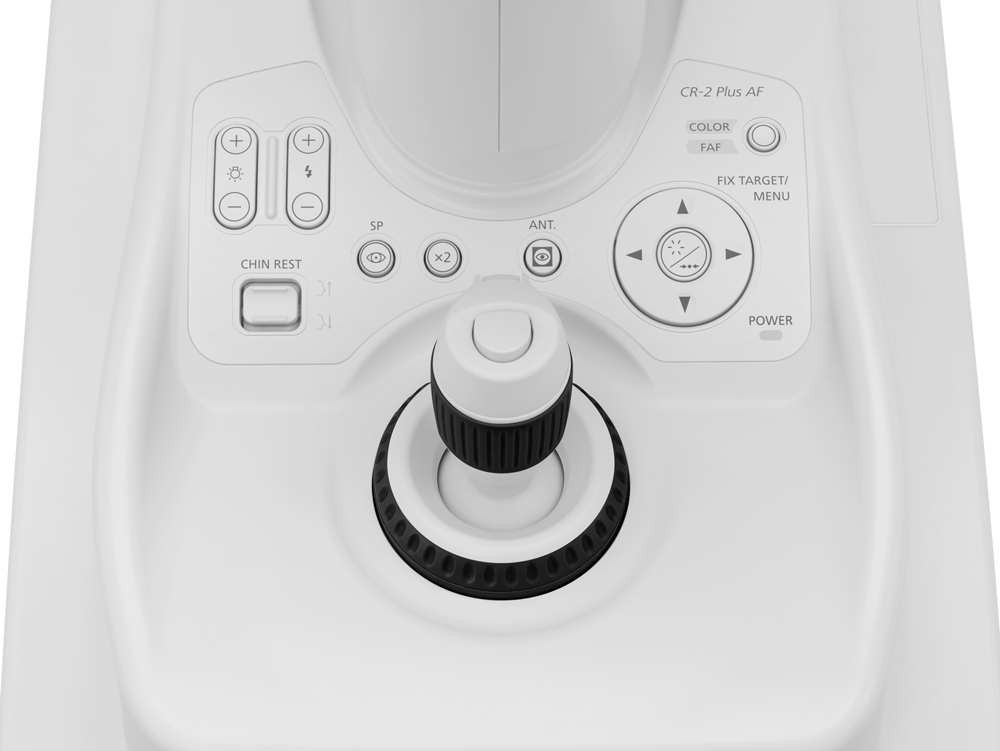
Low flash photography
In addition to the photometric Auto Exposure, the CR-2 AF offers low flash photography. This greatly reduces the patients’ discomfort. Workflow is also improved as images of both eyes can be captured without being restricted by the pupils’ size. This is ideal for photophobic patients.
Fixation Lamp shifting presets
The CR-2 AF offers the possibility to pre-set four fixation lamps patterns for internal fixation. Each pattern has a maximum of nine positions. This is an excellent feature when various screening protocols are used.
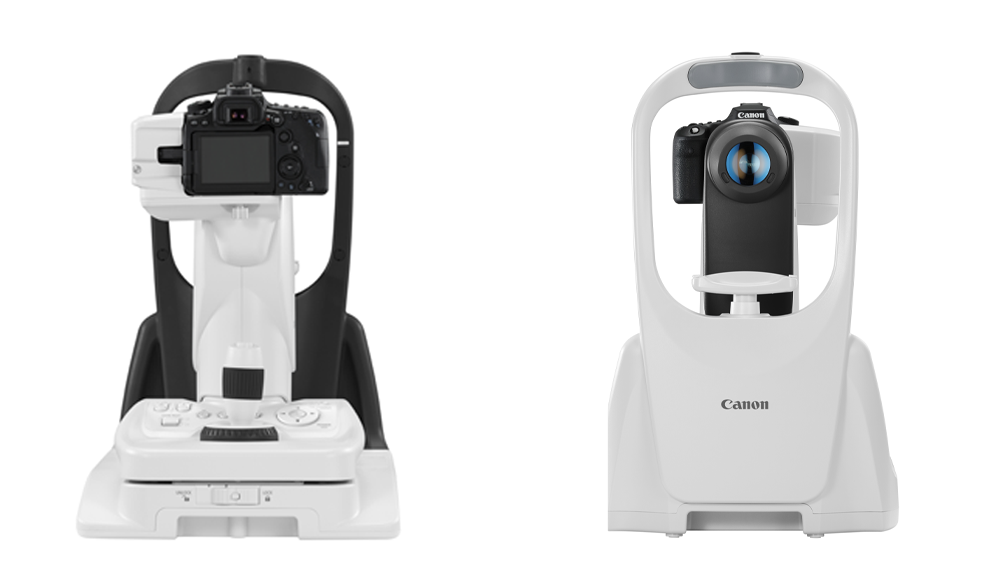
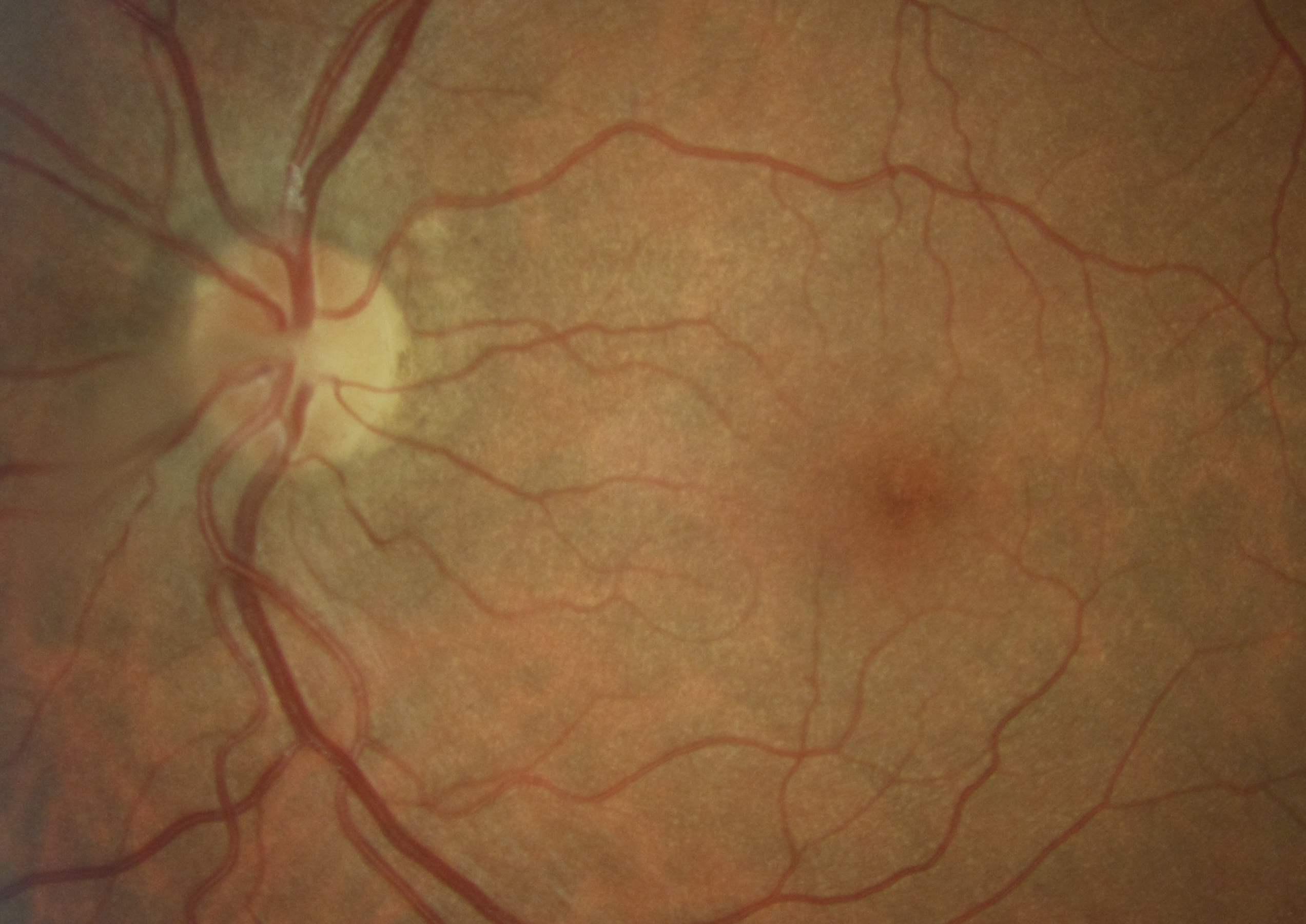
2X Magnification
The CR-2 AF is equipped with a 2X button that provides a 2X digital magnification, such as a 30 degrees image, depending on the setting.
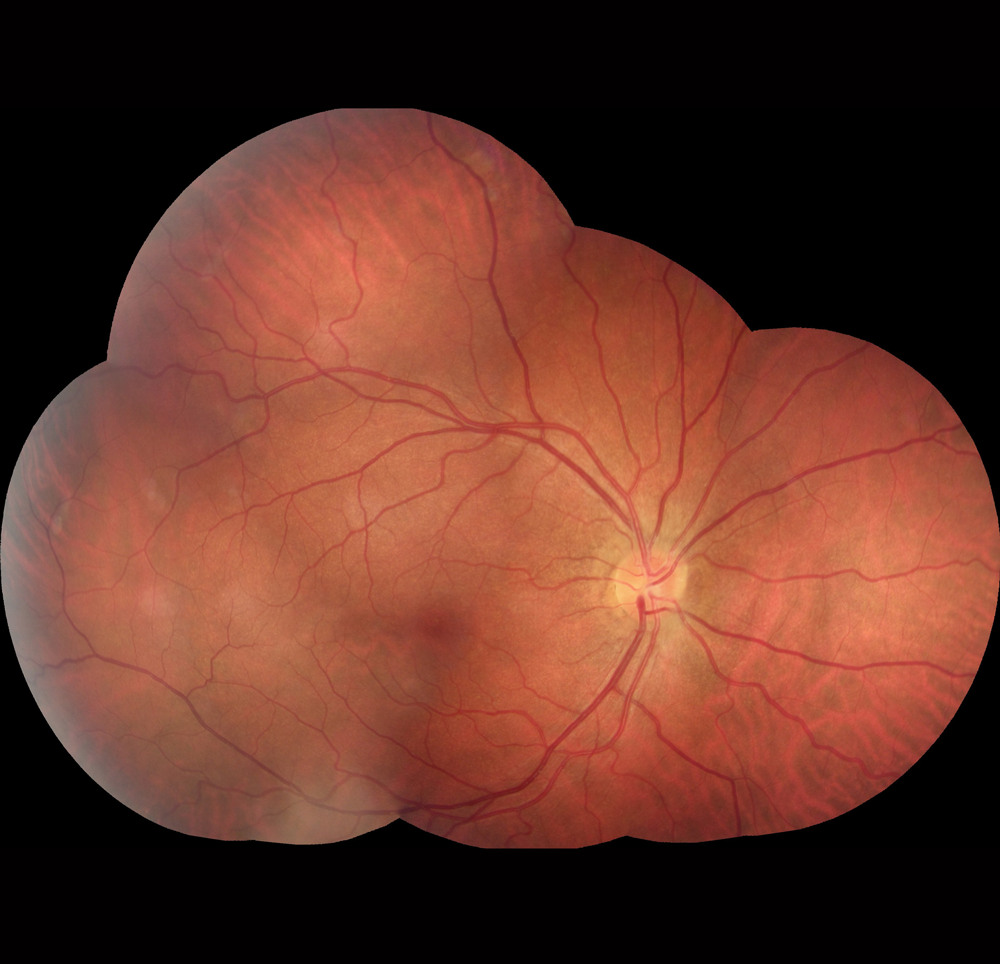
Wide Field Imaging
With the optional Mosaic software, up to 20 images can be combined into a high-resolution wide field image including the peripheral retina (up to 85 degrees).
The automatic fixation light guidance of the retinal camera can be of assistance in capturing the images.
Digital Redfree and cobalt image
Without having the requirement to take an additional image, the RX software can create a digital red-free or cobalt image from a colour image. This is based on Canon’s EOS retina technology and its proprietary image processing that uses the digital camera’s original RAW image .
The image quality is fully comparable with those obtained via optical filters.
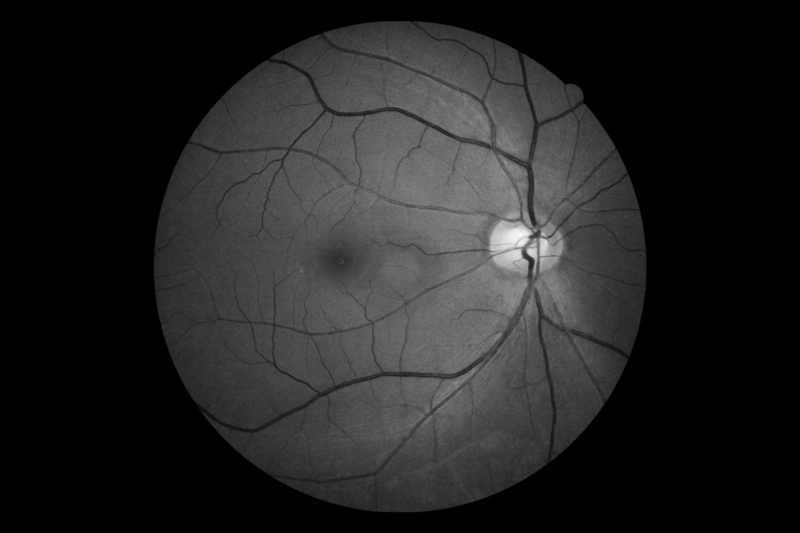 Digital Redfree
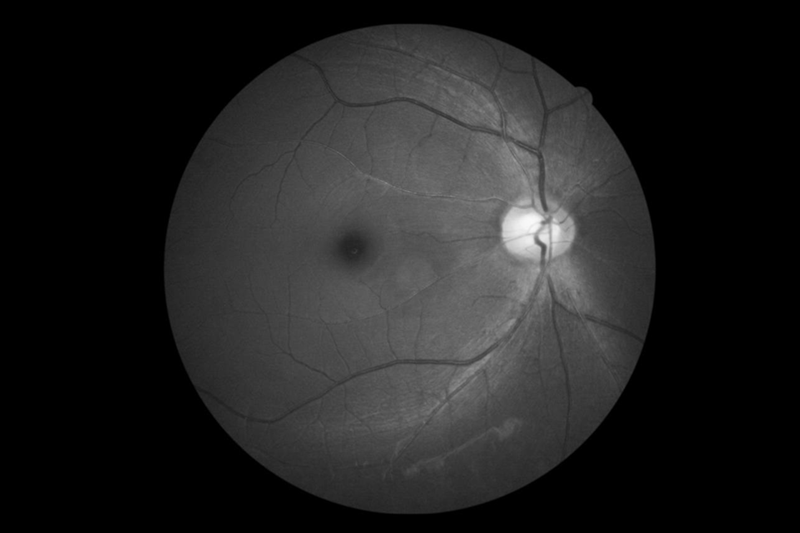 Digital Cobalt
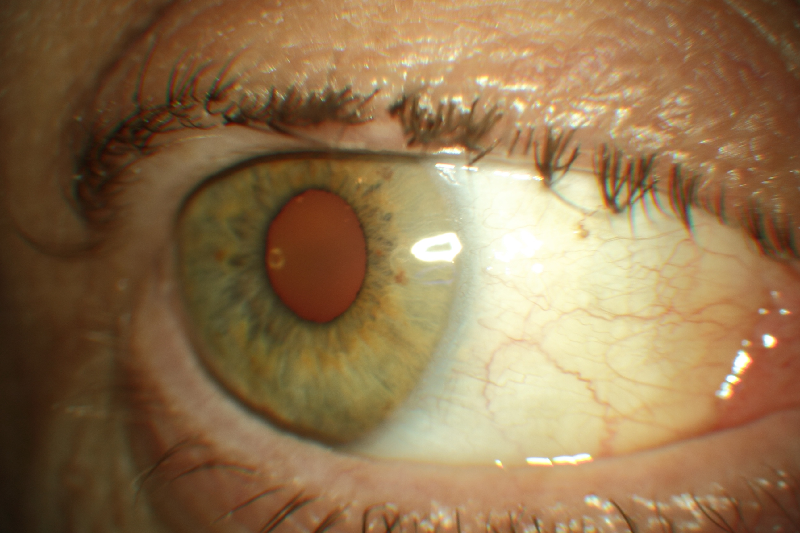
Anterior Segment Photography
The CR-2 AF offers quick and easy anterior segment photography to document the cornea, pupil, eyelid and sclera.
Anterior IR photography
The IR Photography mode offers the possibility of photographing the Meibomian glands’ condition, an important factor related to dry-eye conditions. Failure of these glands will affect the quality and stability of the tear film, which in turn will produce classic dry-eye symptoms.
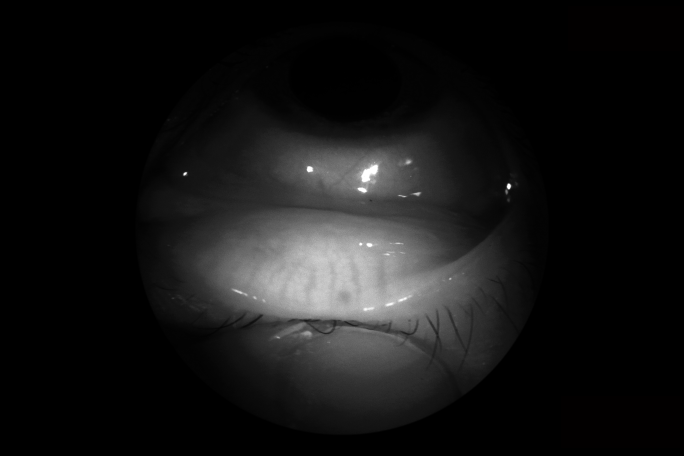 Healthy eye
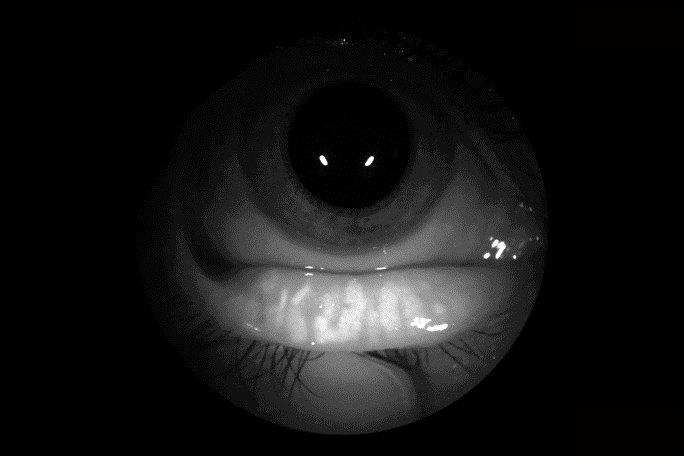 Dry eye
Stereo Photography
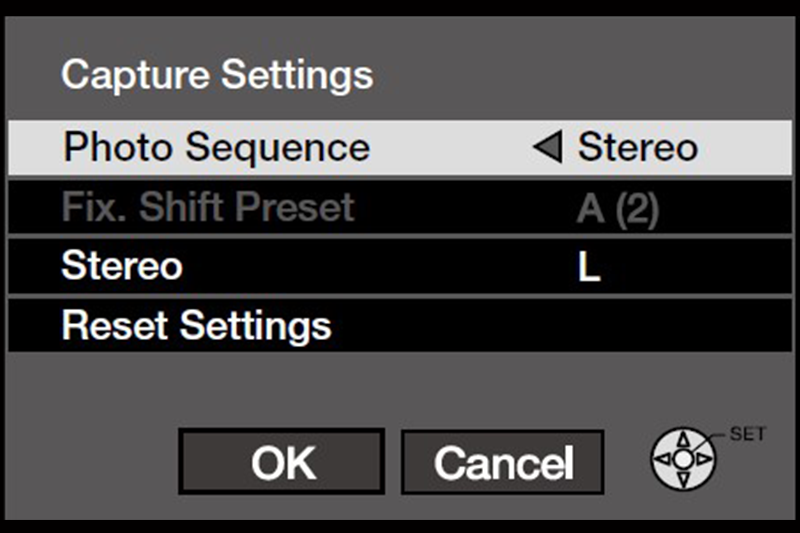 Stereo guide marks
The CR-2 AF is suitable for stereo photography by sequentially taking two retinal images to form a stereo pair.
The capture sequence is simple to use with its stereo guides shown on the observation monitor. Alternatively, users can manually create a stereo set as well as a pair in the RX software.
Stereo viewing
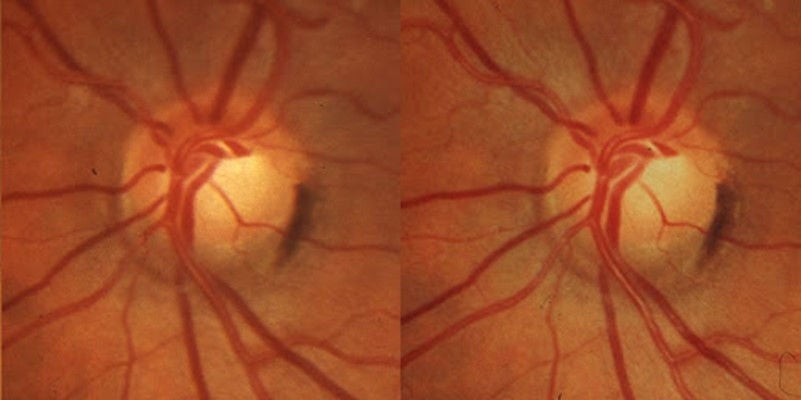 Stereo Pair
A standard commercial optical stereo viewer can be used for reviewing. The stereo pair’s individual images can easily be aligned in the RX software for maximum stereo effect.
Seeking more information? We can help.

Social Media


