

Optimizing Cardiovascular Disease Interventions with Alphenix
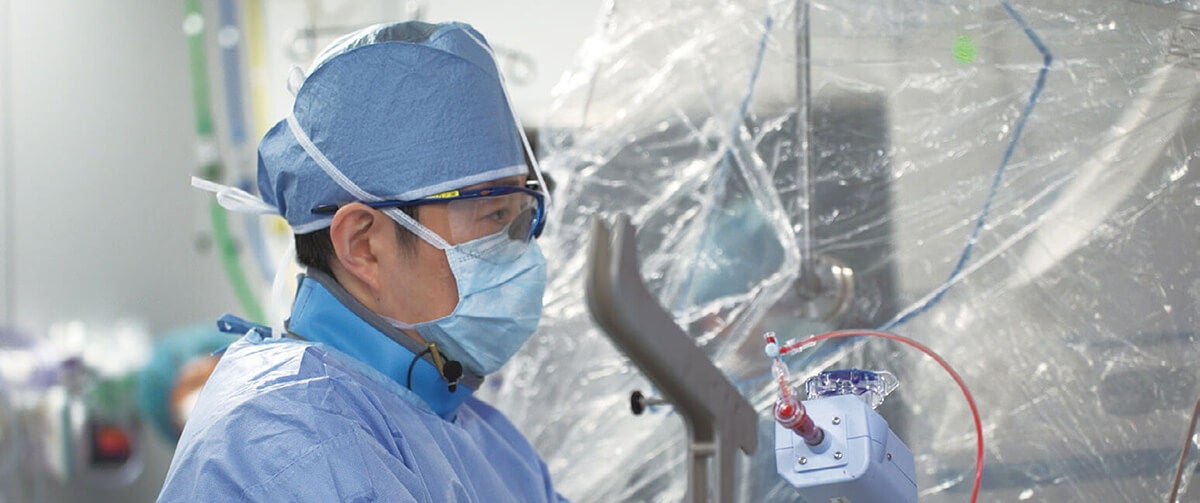
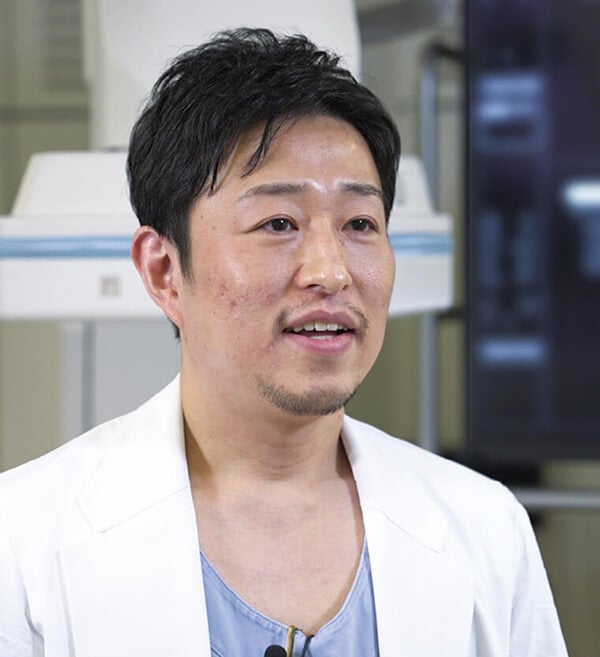
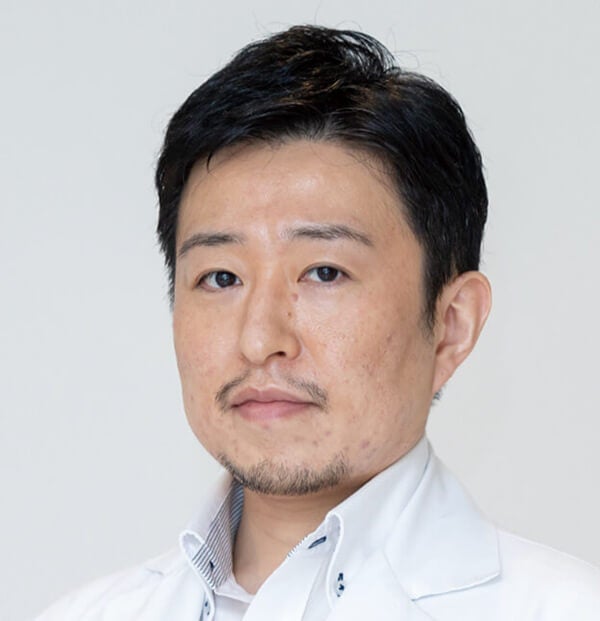
 Dr. Masahiko Asami, Interventional Cardiologist at the Mitsui Memorial Hospital, Tokyo, Japan.
Dr. Masahiko Asami is an Interventional Cardiologist at the Mitsui Memorial Hospital in Tokyo, Japan. He specializes in diagnosing and treating structural heart disease (SHD). The number of patients requiring SHD treatments, including mitral valve repair and left atrial appendage closure, is rapidly growing in his daily practice, as well as globally. Dr. Asami explains how Canon’s Alphenix Intervention System supports his complex SHD procedures.
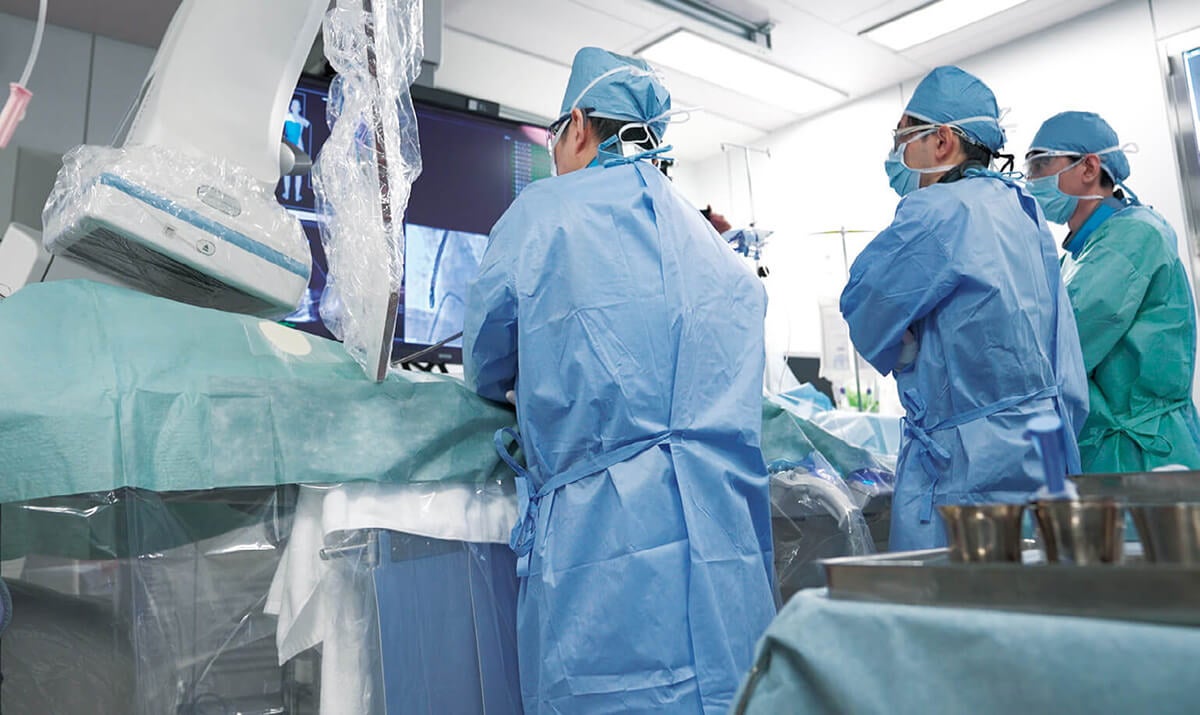
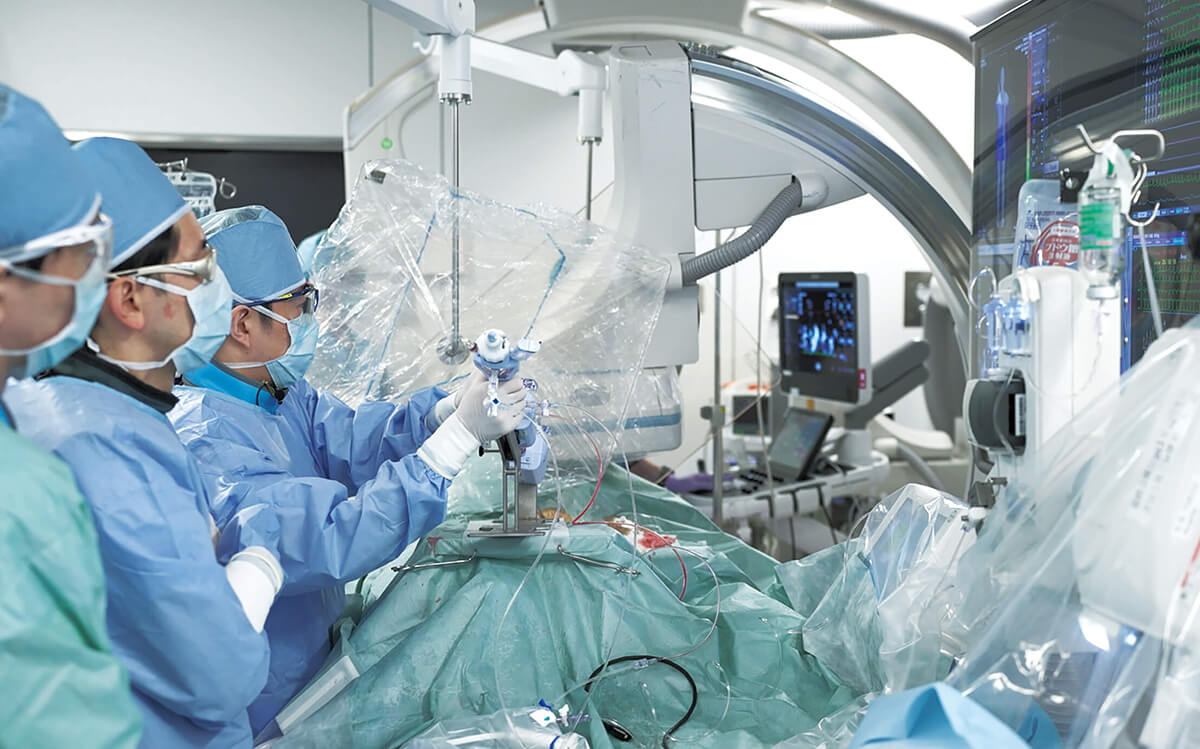
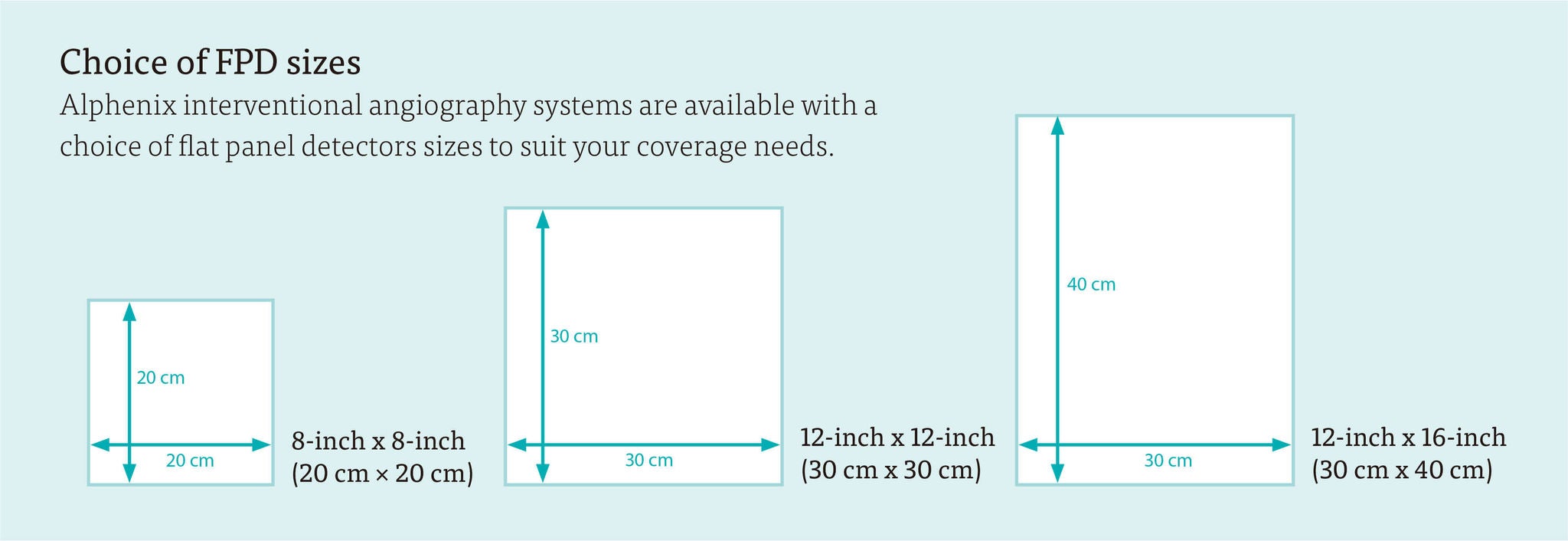
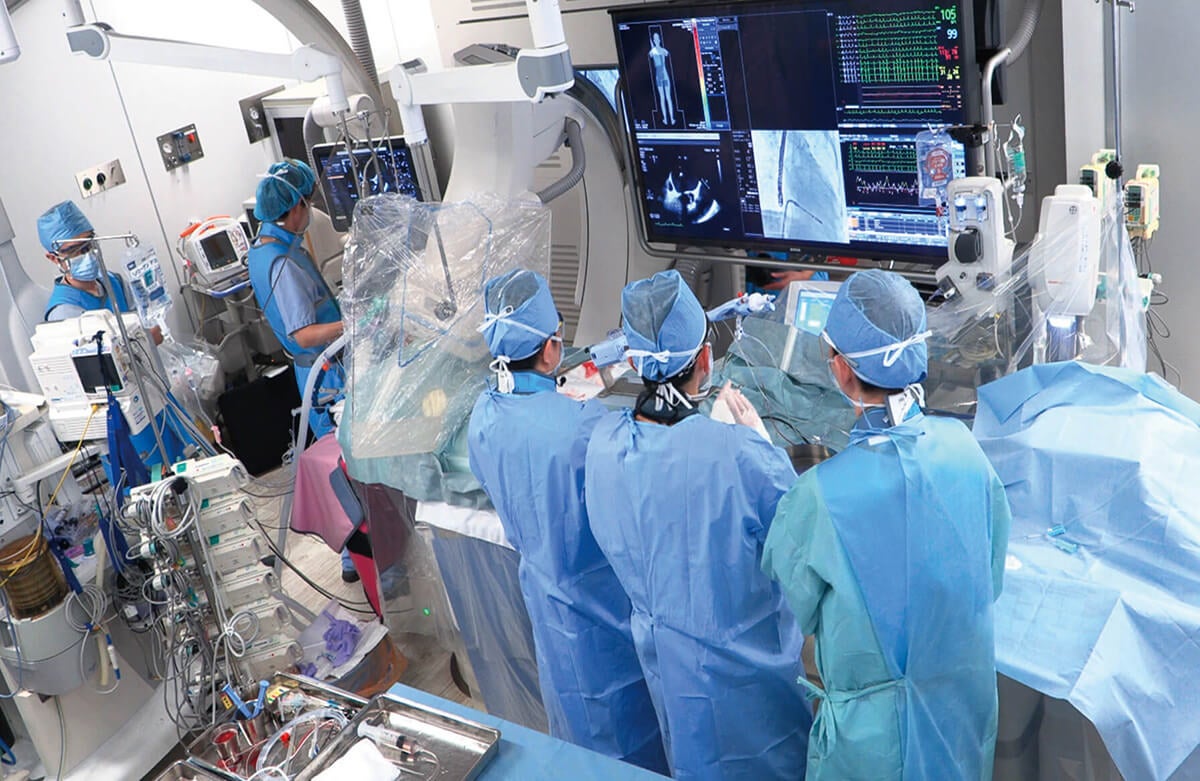
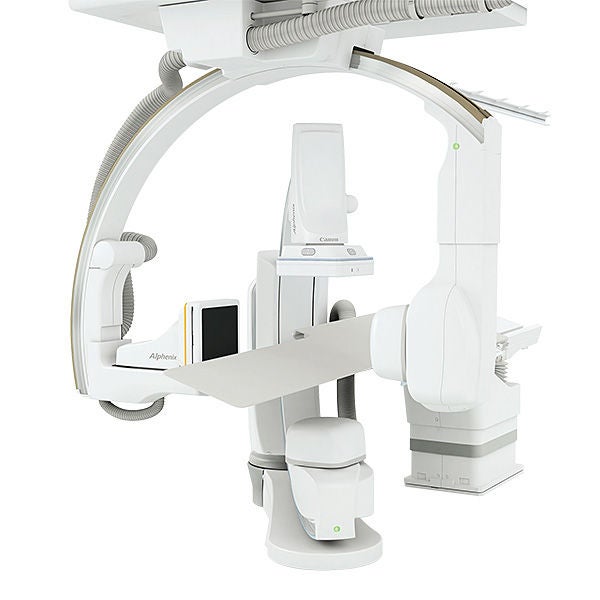
The Mitsui Memorial Hospital has two Cath Labs running Alphenix. Cath Lab 1 is mainly used for electrophysiology (EP) and percutaneous coronary intervention (PCI) and is equipped with an eight-inch flat panel detector. In Cath Lab 2, Alphenix is mainly used for SHD, endovascular, and cerebrovascular treatments. They are performed using a 12-inch flat panel detector.
“Generally, the eight-inch flat panel detector is preferred for coronary cases because it is easier to avoid FPD interference with the patient, especially with steep C-arm angulation,” he explained. “However, we were uncomfortable with using a smaller field of view for SHD, cerebrovascular, and peripheral interventions. Our Canon 12-inch flat panel detector solved this.”
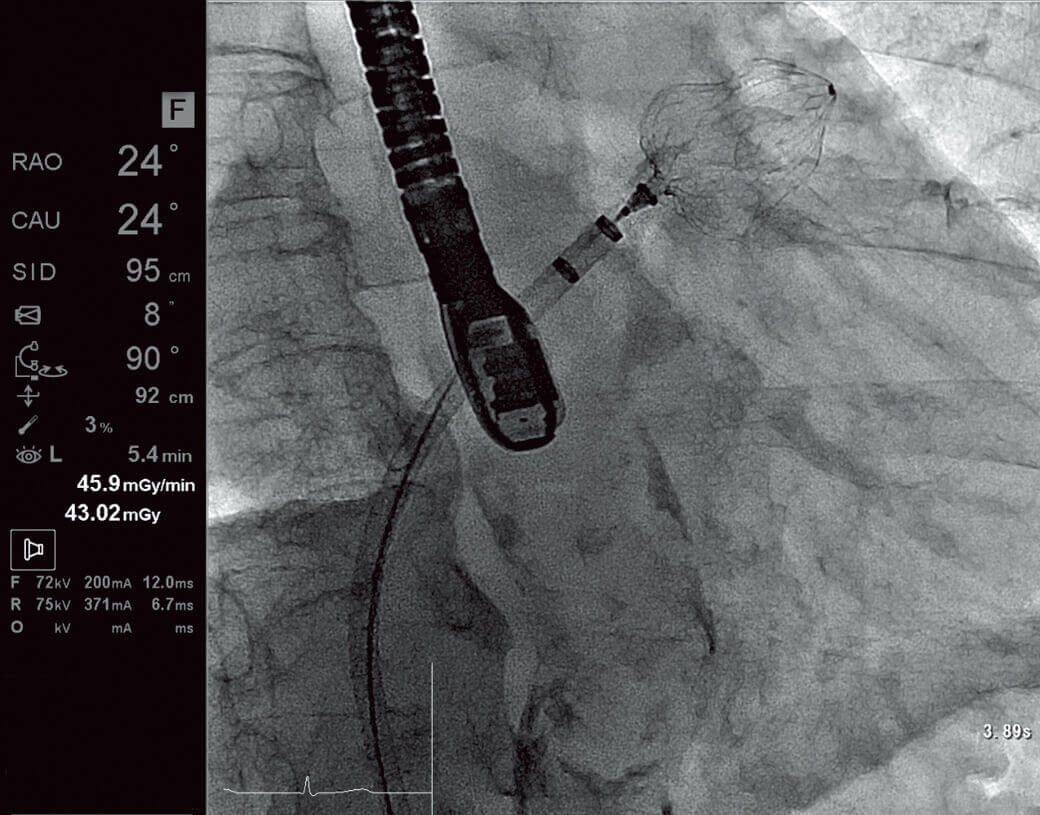 Left Atrial Appendage(LAA) Closure
“You can minimize the use of contrast media” he added. Even using really low volumes of contrast media like three times diluted, the Alphenix’s DA diluted mode enables us to see great clear clinical images.”
The ability to perform SHD or PCI procedures using a very small amount of contrast medium means that SHD/ PCI can be offered to more patients and enables a broader access to PCI and SHD for patients at risk of, for example, patients with chronic kidney failure or contrast-induced nephropathy (CIN).
From a global perspective, shortages of contrast medium over the past few years have affected many hospitals and patients. The shortage has impacted millions of examinations, some of which are essential or improve diagnostic accuracy.
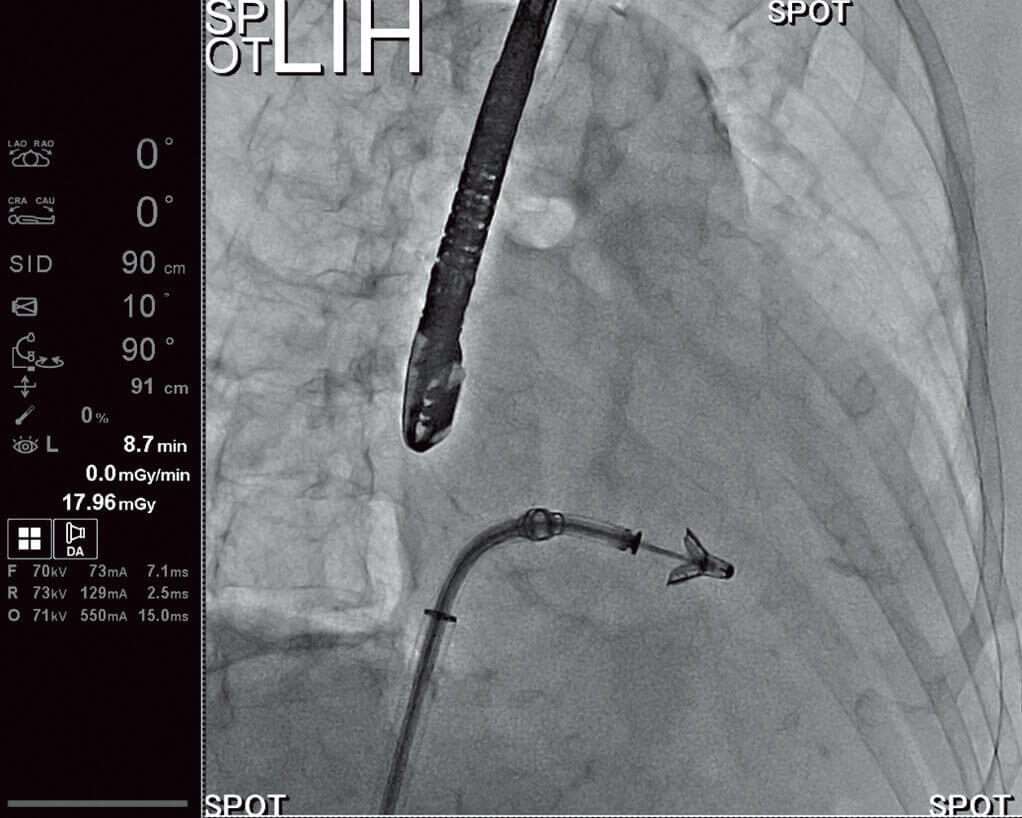 Transcatheter Mitral Valve Repair procedure
Exceptional agility
The range of C-arm positions of the Alphenix provide coverage from headto-toe and fingertip-to-fingertip.
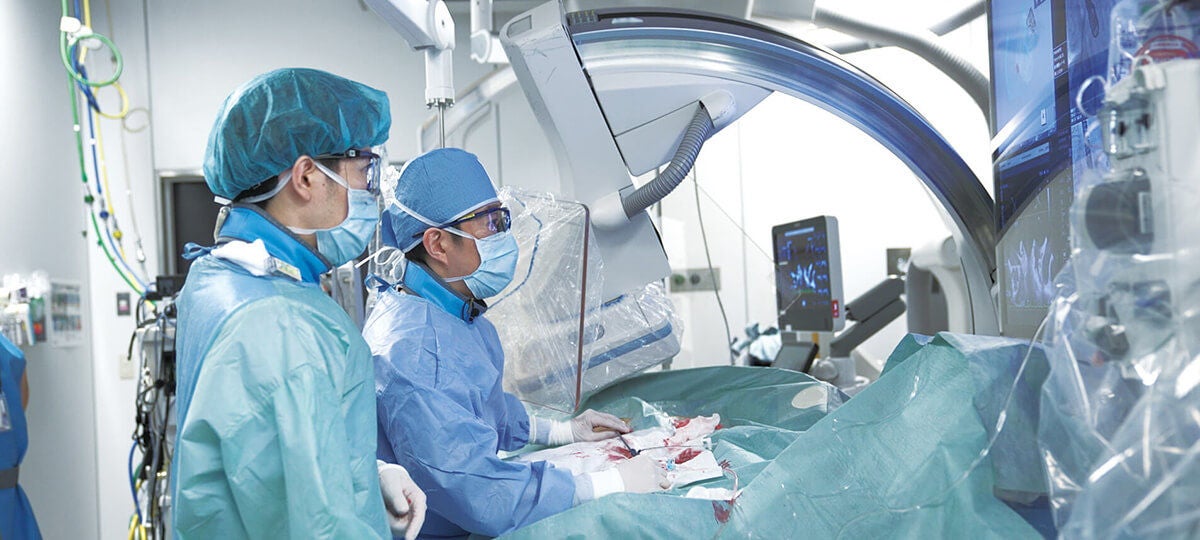
“The C-arm of Alphenix is incredibly flexible. It can be moved to pretty much anywhere I want without having to move the catheter table.” noted Dr. Asami. “Very wide coverage when puncturing can be achieved both longitudinally and laterally, so we don’t have to move the patient table anymore, which also contributes to avoiding interference with ECG cable, blood pressure monitoring cable, and several lines from the anesthesia side.”
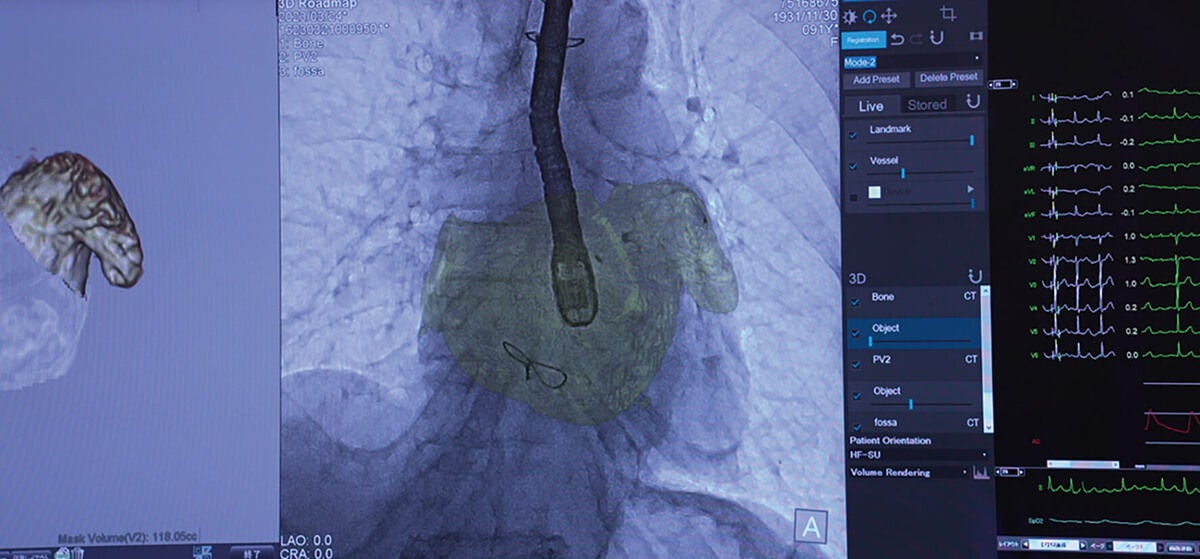 CT fusion during LAA closure
Unique workflow opportunities
The Alphenix offers integrated cardiac-optimized technologies to help deliver the best possible outcomes to patients. These include tools to simplify procedure planning, technology to help users see and navigate in confidence, and better protect patients with a comprehensive suite of optimized technologies.
“I really love the workflow of Alphenix. That is the absolutely unique point of Alphenix,” remarked Dr. Asami. “The CT fusion function would be a good example and that’s useful for us and accurate. It enables us to plan and deploy LAA closure device precisely.”
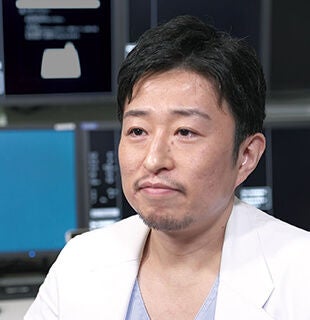
“I have no doubt that this technology will become one of the global standards in Interventional Cardiology market for the near future.”
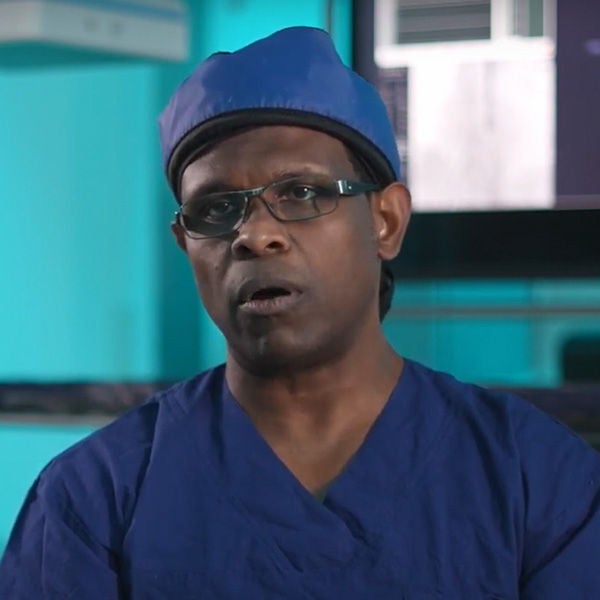
Dr. Masahiko Asami, Interventional Cardiologist at the Mitsui Memorial Hospital, Tokyo, Japan.
Impact in Interventional Cardiology
“I have no doubt that this technology will become one of the global standards in Interventional Cardiology market for the near future,” concluded Dr. Asami. Interventional treatment is expected to become much less invasive in the near future, particularly through the use of AI technology. However, so far, it has only been used for post processing of obtained images such as CT and MRI. With the advances in technology, the time has finally come to utilize it for treatment in realtime enabling less radiation dose, less contrast media, and better device/vessel visibility. //
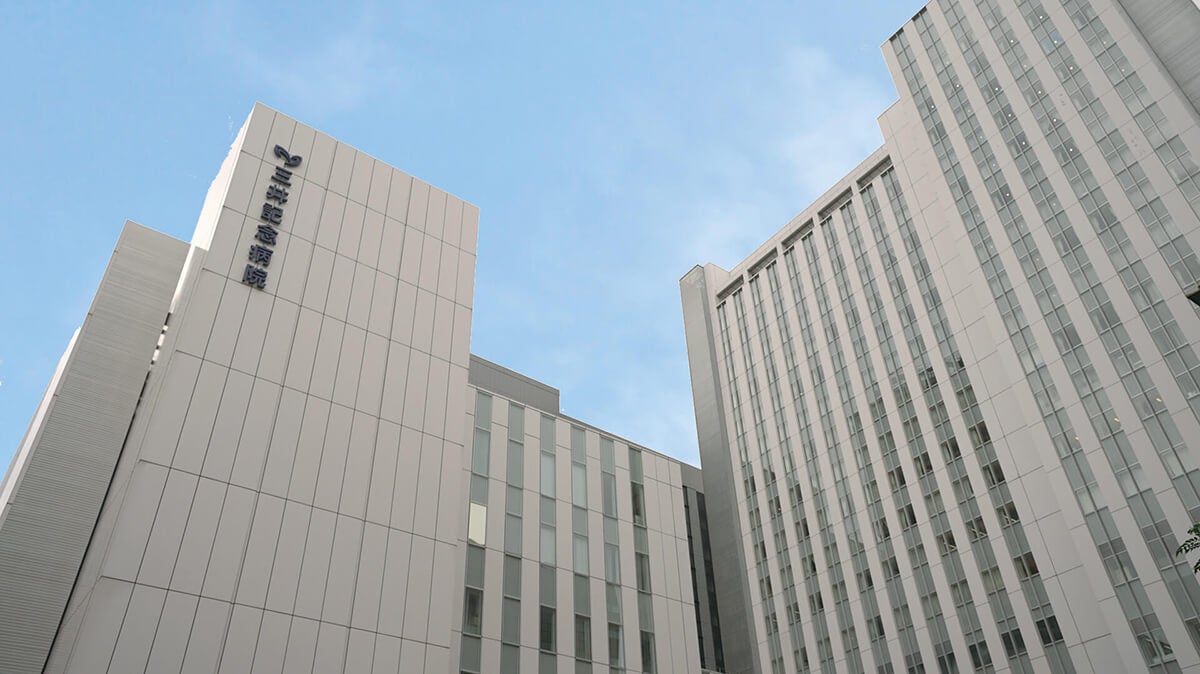 Mitsui Memorial Hospital, Tokyo, Japan
For more infomation
Social Media


